

Graphic Design / Communication Design
Graphic design with impact, value and substance
For companies, brands and content that shouldn’t just be visible, but clear, convincing and high-quality in how they are perceived. Design determines how content is perceived. Whether it is understood. And what value it communicates.
Good design makes exactly that visible.

Design always communicates
Design is not a final step. It is part of the message. Before content is fully read, an impression is already formed – through typography, structure, imagery, proportion and execution. A presentation can feel structured or messy. A pitch deck clear or generic. A brochure refined or disposable.
If something is visible, it communicates. The only question is whether it strengthens or weakens what it represents.
Good design strengthens value
Design does not change the content. But it changes how that content is perceived. It creates clarity where complexity exists. It adds weight where relevance needs to be seen. And it makes quality visible.
When design is consistent, it builds trust. When it is precise, it creates orientation. When it has substance, everything it represents becomes more credible.
Bad design costs
It makes strong content look smaller than it is. It weakens trust. It makes quality look interchangeable. Visibility alone is not enough. What matters is how that visibility performs. Good design ensures that content is understood, taken seriously and remembered.
Where design creates impact
Design matters wherever content needs to do more than exist.
When decisions are being prepared.
When offers need to be understood.
When trust needs to be built.
When value needs to be visible.
- For example:
- presentations that bring clarity to complex topics
- pitch decks that make potential tangible
- print materials that communicate quality
- publications that hold over many pages
- exhibition graphics that work in space
- systems and templates that stay consistent in daily use
The clearer the design, the greater the impact.
The higher the standards for content and presentation, the greater the difference.
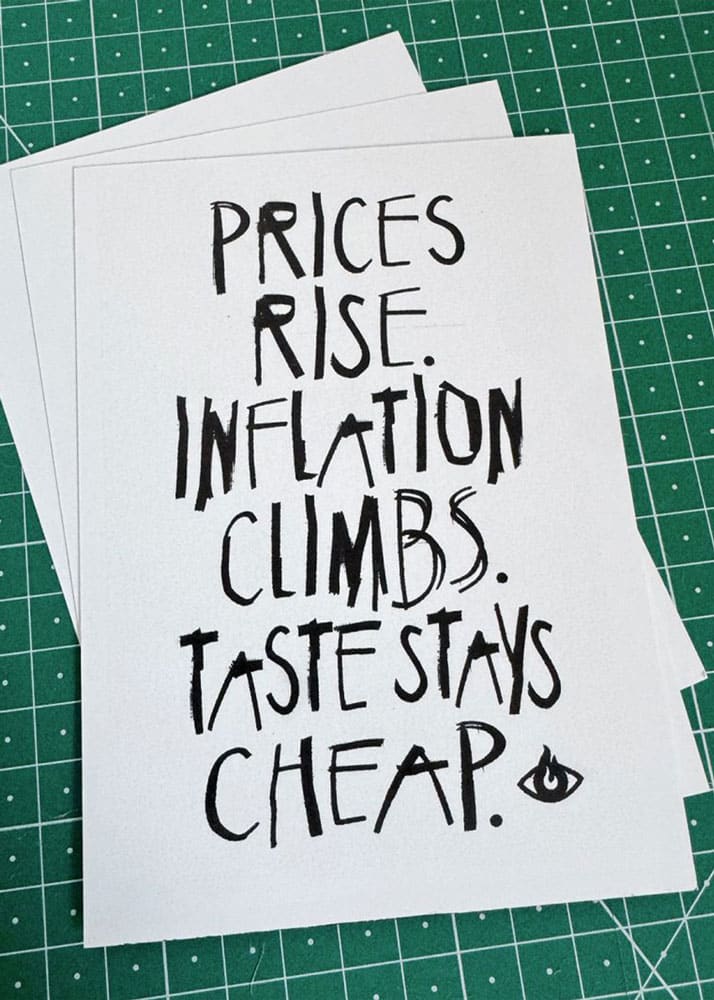
Selected Works
Good design proves its worth in practice.
Where content becomes clear.
Where brands gain clarity.
Where communication conveys value.
The following works showcase projects in which graphic design is not only visible but also makes an impact.
No Results Found
The page you requested could not be found. Try refining your search, or use the navigation above to locate the post.
Graphic Design Services
Graphic design always makes its impact felt in practical applications.
Design for Communication
Whenever content is used to explain, persuade, or help people make decisions, design needs structure.
These include presentations, pitch decks, sales materials, and informational resources. This isn’t about decoration; it’s about clarity.
Content is organized, prioritized, and presented in a way that is easy to grasp and conveys a sense of reliability.
Presentations
Presentations must guide the content. They organize information, highlight key points, and clarify connections.
Pitch decks
Pitch decks distill content down to the essentials. They highlight potential and build trust.
Sales materials
Marketing materials must be compelling. They present services, offers, and selling points in a way that is clear and accessible.
Information Design
Complex content needs structure. Information design ensures that content remains accessible without appearing oversimplified.
Print Design
Print has a strong presence. The format, paper, layout, and typography make an immediate impact.
Brochures, catalogs, magazines, or reports immediately reveal whether the design has substance or is merely superficial.
Good print design combines content and form in a way that makes quality visible and tangible.
Brochures
Brochures convey information on multiple levels. Structure, layout, and design determine how clearly they are read.
Catalogs
Catalogs combine information with guidance. Design ensures that content remains easy to understand and compare.
Magazines
Magazines need rhythm. Typography, imagery, and layout must work together to effectively convey the content.
Annual Reports
Annual reports bridge the gap between numbers and perception. Effective design makes the content easy to understand and lends it weight.
Design for Publications
When content needs to carry the reader through many pages, the design requires structure, clarity, and a systematic approach.
Book design, editorial design, and extensive publications thrive on rhythm, readability, and clear organization.
This is where we see whether the design works in the long run.
Book design
Books require calm, structure, and precision. Design carries the content across many pages and gives it form.
Editorial design
Editorial design creates systems for large volumes of content. This ensures that the layout remains clear and consistent, even with complex formats.
Reports
Reports must be easy to understand. Good design structures the content and highlights key connections.
Corporate Publications
Publications convey attitude, content, and standards. Design ensures that these elements come together seamlessly.
Design for Brand and Application
Brands reveal themselves in use.
In campaigns, advertisements, materials, series, and recurring media. This is where it’s decided whether a brand’s image remains consistent or falls apart.
Design creates brand recognition, connects individual elements, and holds the brand together.
Campaign visuals
Campaigns must stand out while also fitting in. Design combines impact with recognizability.
Advertisements
Ads condense content into a single moment. Design determines whether that moment works.
Visual Series
Consistency is key. Design ensures that individual elements are perceived as a cohesive whole.
Templates and Systems
Systems make design practical. They ensure that quality is not left to chance but becomes reproducible.
Design for Spaces
Different rules apply in this room.
Design must be effective from a distance, convey information quickly, and provide guidance.
Exhibition graphics, wayfinding systems, and environmental graphics make brands visible and tangible.
Trade Show Graphics
Interior design must be immediately comprehensible. It works from a distance and under real-world conditions.
Wayfinding systems
Wayfinding systems provide guidance. Design makes routes clear and information accessible.
Visual communication
Large spaces call for clear messaging. Design distills content down to the essentials.
Signage
Signage must be effective. It should be straightforward, clear, and leave no room for misinterpretation.
Systems and Templates
A few good solutions are not enough.
True value is created only when design works in everyday life. Templates, grids, and systems ensure that quality remains consistent.
Presentation Templates
Templates ensure reliability and consistency in day-to-day use.
Layout grid
Grids provide structure and ensure that designs remain robust.
Design Guides
Guides translate design into clear rules for implementation.
Modular components
Modular components make design flexible without compromising its rigor.

Design with Economic Relevance
Graphic design influences decisions.
Whether a presentation is convincing.
Whether a pitch deck builds trust.
Whether a brochure conveys value.
Whether a brand is taken seriously.
Good design enhances communication.
It increases the likelihood that the message will get across.
And that is precisely why it is not only relevant from a design perspective, but also from an economic one.
Design in the Age of AI
Tools have changed. The claim does not.
These days, it’s easy to create something visually.
But not everything that looks good actually works.
There is a big difference between a quick result and a sustainable solution:
Structure.
Consistency.
Applicability.
Further processing.
Design guidance.
It’s not the tool that determines quality. Rather, an understanding of what design must achieve.
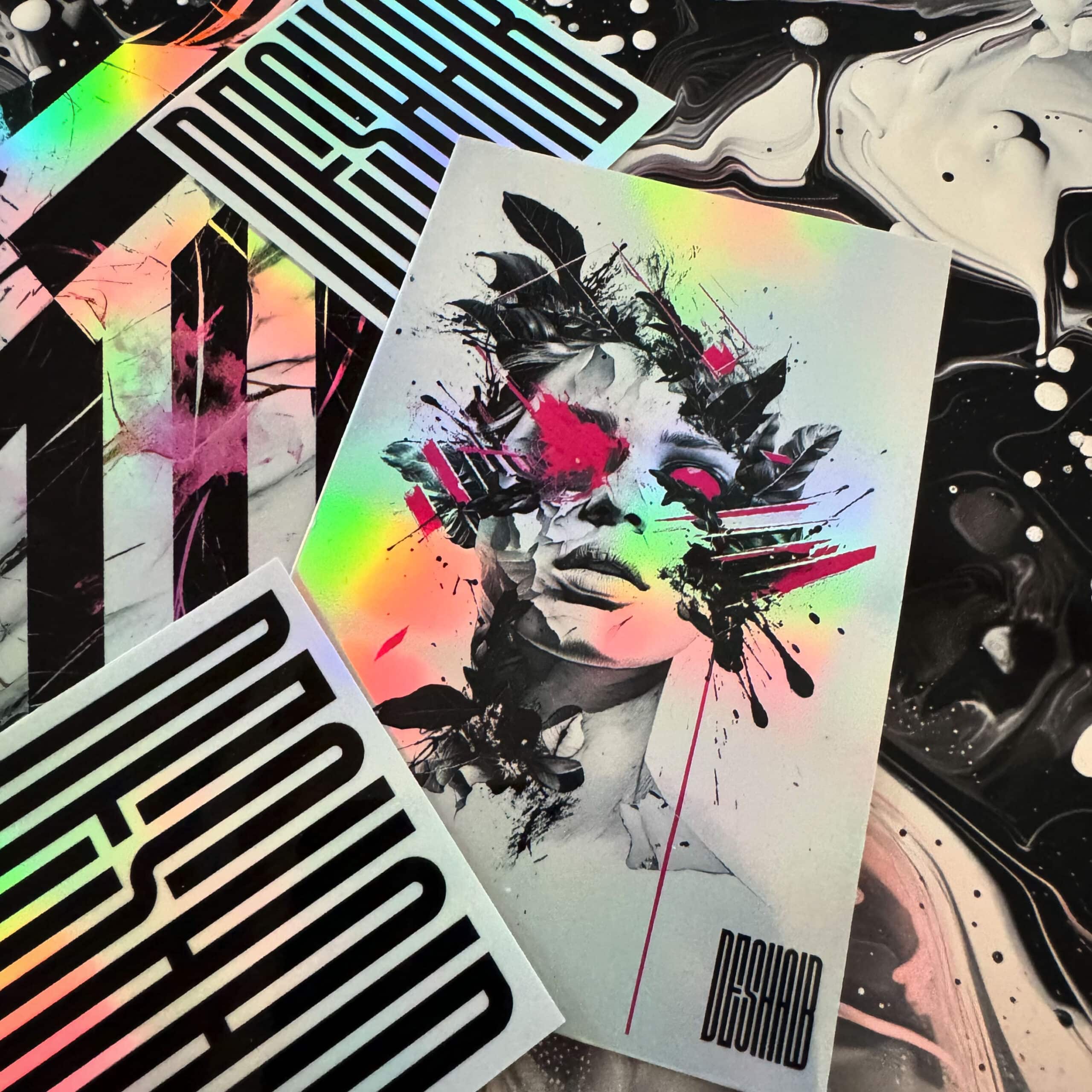
This is how projects come about
Design does not begin with form, but with clarity. First, we define what a medium is intended to achieve. Then, we structure and prioritize the content. Building on this foundation, the design takes shape: typography, layout, image placement, and visual logic.
In practice, everything is tailored to the specific application. And when necessary, we develop systems that ensure long-term quality.
Clarification
Objectives, content, and context are defined.
Structure
Information is organized and prioritized.
Design
Layout, typography, and visual elements are created.
Implementation & Application
Preparation for actual use.
Questions about graphic design
When does graphic design really make a difference?
That’s when content needs to be not just visible, but understood. Good design creates order, sets priorities, and highlights quality. It enhances the perception of an offering, supports decision-making, and ensures that communication doesn’t come across as arbitrary.
What does graphic design entail at deshalb.?
Graphic design at deshalb. includes presentations, pitch decks, sales materials, information design, brochures, catalogs, magazines, annual reports, book design, editorial design, reports, corporate publications, campaign visuals, advertisements, trade show graphics, as well as systems and templates for everyday use.
What is the difference between graphic design and communication design?
Graphic design refers to the visual presentation of content and media. Communication design approaches this presentation with a greater focus on message, context, and impact. In practice, the two fields overlap. What matters is not the label, but whether the design conveys the content and enhances its impact.
Why is good graphic design economically important?
Because design influences how credible content appears, how high-quality an offering is perceived, and how strong a brand’s presence is. Good design builds trust, enhances perceived value, and makes communication more effective.
When is a systematic approach more effective than individual design measures?
That is, when design isn’t used just once. Anyone who regularly uses presentations, documents, print media, or other communication tools benefits from clear templates, visual guidelines, and consistent systems. This ensures that quality isn’t left to chance, but is consistently reproducible.
What role does AI play in graphic design?
AI can speed up processes, generate variations, and make design more accessible. However, understanding structure, application, quality, and consistency remains crucial. It is not the tool that determines the value of the design, but the ability to turn it into something sustainable.
When is graphic design more than just a design?
That is when design does more than just make something visible; it enhances the value of content, an offering, or a brand. Good design does more than simply apply form to a surface; it makes relevance apparent and enables impact.
Who would particularly benefit from this service?
For companies, brands, and projects where communication needs to do more than just establish a presence. In other words, wherever content needs to be compelling, quality needs to shine through, and the overall image must come across as consistent, clear, and high-quality.
You can’t afford bad design
Good design doesn’t happen by chance. It starts with a conversation.